How Accident Forgiveness Really Works (And When It’s Worth It)
Quick Take
- Accident forgiveness can prevent your premium from skyrocketing after a first at-fault accident
- It’s not automatic — and it doesn’t cover every situation
- Often costs extra, but can save hundreds (or thousands) long-term
- Rules vary by insurer and country
One Accident — Then the Bill Arrives
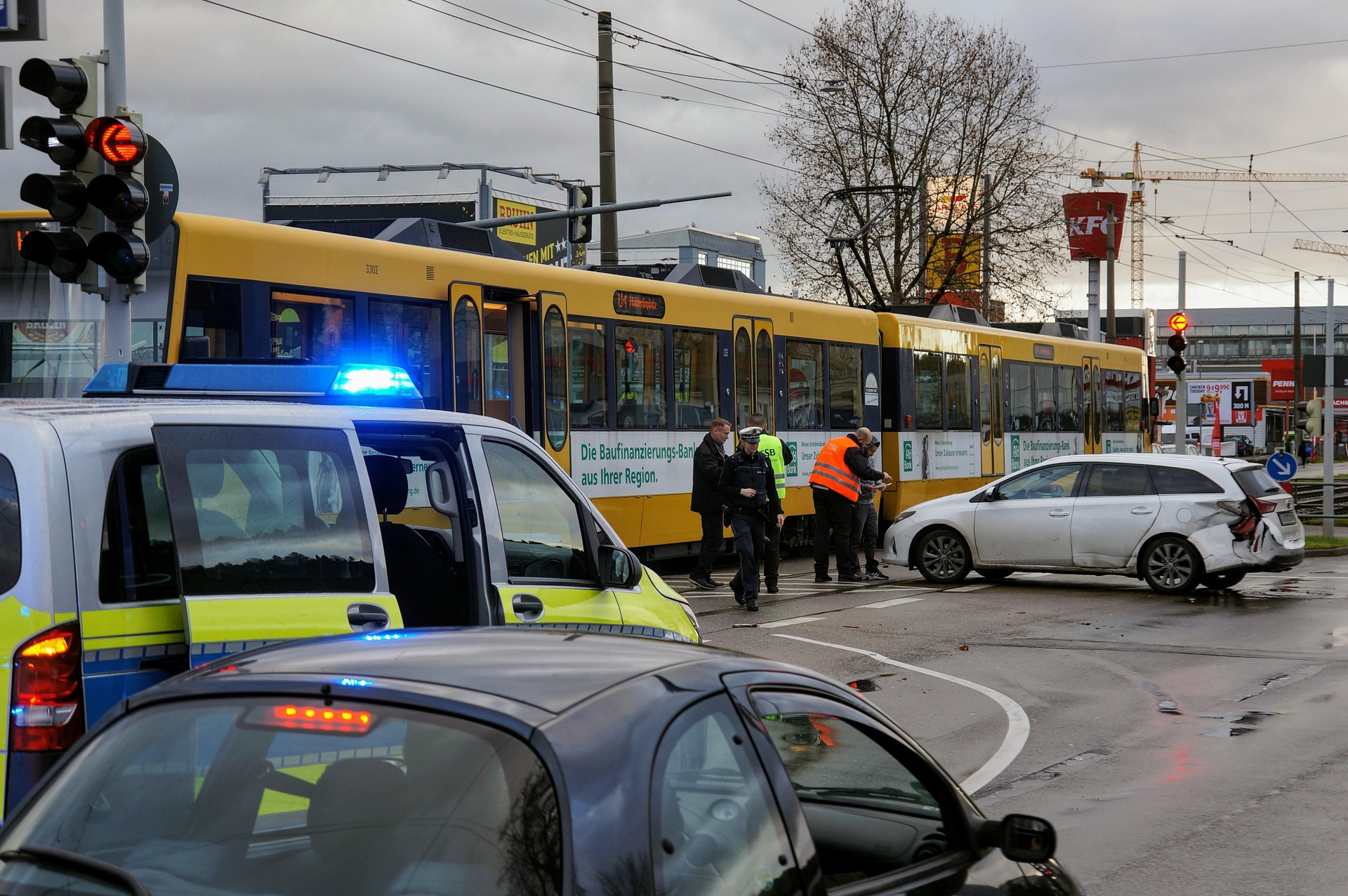
You’re driving home after work.
Traffic slows. You glance down for a second.
Crunch.
No serious injuries — just a dent and a shaken heart.
But weeks later, the real shock hits: your insurance renewal jumps by 30–50%.
This is where many drivers hear about accident forgiveness — usually after it’s too late.
Let’s break down what it actually is, how it works, and when it’s worth paying for.
What Is Accident Forgiveness?
Accident forgiveness is an auto insurance feature that prevents your rates from increasing after your first at-fault accident.
Instead of penalizing you immediately, your insurer “forgives” the accident — as if it never happened (pricing-wise).
⚠️ Important:
It does not erase the accident from your record.
It only protects you from a rate hike.
How Accident Forgiveness Actually Works
Here’s the reality most ads don’t explain:
It usually applies only if:
- You’ve had no at-fault accidents for 3–5 years
- You’re the primary policyholder
- The accident stays under a damage threshold (e.g., $1,000–$3,000)
It does NOT cover:
- Multiple accidents
- Major violations (DUI, reckless driving)
- Accidents before the feature was active
Think of it like a one-time safety net, not a lifetime shield.
What Accident Forgiveness Covers (and Doesn’t)
| Scenario | Forgiven? |
|---|---|
| First minor at-fault accident | ✅ Yes |
| Second accident within 3 years | ❌ No |
| DUI-related crash | ❌ No |
| Not-at-fault accident | ✅ Already protected |
| Claims from weather/theft | ✅ Usually |
Which Insurance Companies Offer Accident Forgiveness?
Most major insurers in the U.S., Canada, and parts of Europe offer some version:
- GEICO – Earned after 5 clean years
- Progressive – Optional add-on or earned
- Allstate – Optional add-on
- Nationwide – Earned after clean driving
- State Farm – Similar benefits through loyalty programs
🇨🇦 Canada: Often included after clean driving history
🇬🇧 UK: Sometimes bundled as “protected no-claims bonus”
🇦🇺 Australia: Often called “no-claim bonus protection”
Same idea — different names.
How Much Does Accident Forgiveness Cost?
If added as an option, expect:
- $20–$50 per year on average
But here’s the math that matters:
One at-fault accident can raise premiums by $400–$1,500+ over 3 years.
That makes accident forgiveness one of the highest ROI add-ons — if you qualify.
Is Accident Forgiveness Worth It?
Worth it if:
- You’ve had a clean record for years
- You drive daily or commute long distances
- You live in high-traffic cities
- You want predictable insurance costs
Not worth it if:
- You’re already a high-risk driver
- You switch insurers frequently
- You barely drive
Pro tip: Accident forgiveness works best for safe drivers, not risky ones.
Accident Forgiveness vs. No-Claims Bonus
| Feature | Accident Forgiveness | No-Claims Bonus |
|---|---|---|
| Prevents rate increase | ✅ Yes | ❌ Partial |
| One-time protection | ✅ Yes | ❌ No |
| Country usage | U.S./Canada | UK/Australia |
| Transferable | ❌ No | Sometimes |
They serve similar goals — but they are not the same thing.
Common Myths (That Cost Drivers Money)
“It covers unlimited accidents”
“It removes the accident from your record”
“It applies automatically”
“It works across insurers”
Truth:
Accident forgiveness is policy-specific and non-transferable.
Smart Tips Before You Buy
- Ask: “Is this earned or an add-on?”
- Confirm the damage limit
- Check if it applies to all drivers on the policy
- Keep documentation — insurers don’t always remind you
Final Verdict
Accident forgiveness isn’t marketing fluff — but it’s not magic either.
For clean, responsible drivers, it can be a financial lifesaver after one bad day.
For others, it may not apply when they need it most.
The key is understanding it before the accident happens — not after the renewal notice arrives.
Related Articles